Every 4K UHD Blu-ray you buy ships with at least HDR10. Many also ship with Dolby Vision. A smaller number ship with HDR10+. Here’s what actually matters when you’re staring at the back of a box trying to decide whether the “Dolby Vision” sticker is a reason to buy.
The short version
HDR10 is the static baseline every 4K disc supports. Dolby Vision is the dynamic-metadata format that adjusts picture settings scene by scene. HDR10+ is Samsung’s patent-free alternative to Dolby Vision, adopted by Panasonic, Hisense, and a few studios.
If your TV supports Dolby Vision and your player outputs it, the disc will look measurably better than HDR10. Brighter highlights where the mastering artist wanted them bright, darker shadows where they wanted them dark. On a Dolby Vision display, the difference is obvious in high-contrast scenes.
If your TV supports HDR10+ and the disc has HDR10+, same deal. If it has both Dolby Vision and HDR10+ in the metadata, the player picks whichever your TV supports. If neither, the TV falls back to HDR10 and the picture is still fine.
Which format is on the disc
Studios split roughly into three camps.
Dolby Vision catalog owners: Warner Bros., Universal, Sony, Lionsgate, Disney, Paramount ship most of their 4K releases with Dolby Vision. Warner has been consistent since 2017. Universal since around 2018. Paramount added DV and Atmos to its UHD Blu-ray program in 2017. Disney added Dolby Vision on most catalog titles after Marvel’s Infinity Saga releases.
HDR10+ catalog owners: 20th Century (before Disney acquired), some recent Universal titles, some Lionsgate. Samsung and Panasonic push for HDR10+ adoption on each release cycle.
HDR10 only: Most boutique labels (Arrow, Shout Factory, 88 Films, Vinegar Syndrome, Second Sight). Budget and licensing friction keep most boutique releases on HDR10.
Criterion is the boutique outlier that matters. The label ships nearly every 4K release with Dolby Vision since late 2021. Its WALL·E 4K carries both Dolby Vision and HDR10+, which almost no other disc does.
Which players pass Dolby Vision
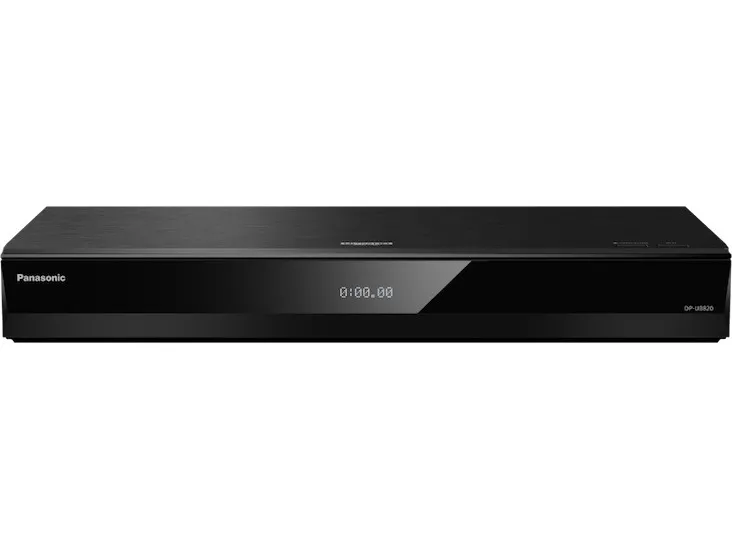
The Panasonic DP-UB820 is the default pick for most collectors because it passes Dolby Vision, HDR10+, and HDR10. The UB9000 is the higher-end sibling with the same format support. The Panasonic DP-UB450 is the budget version and also passes Dolby Vision.
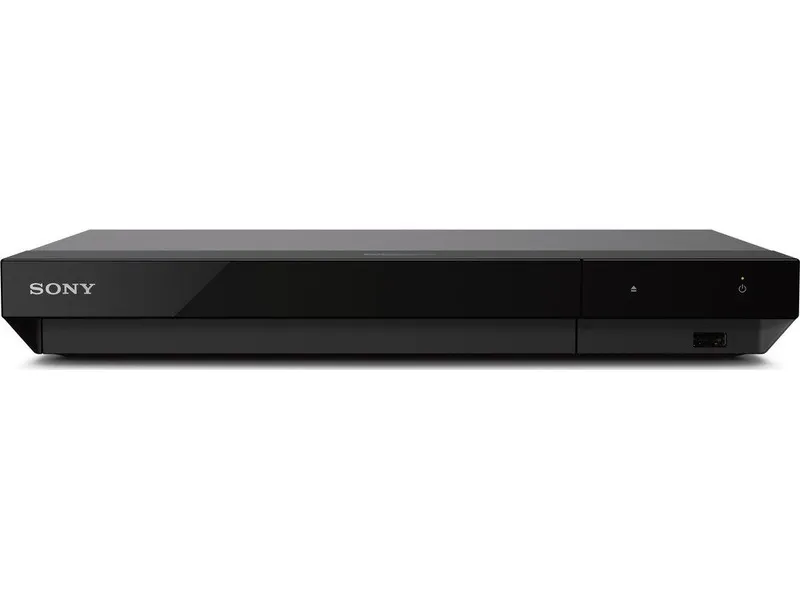
Sony’s UBP-X800M2 passes Dolby Vision. The newer UBP-X700U shipped without Wi-Fi and with Dolby Vision still intact.
Neither the PlayStation 5 nor the Xbox Series X passes Dolby Vision from disc. Both fall back to HDR10. The Xbox supports DV for streaming apps and DV-graded games, but the UHD Blu-ray pipeline was never updated for it. If you rely on a console as your primary 4K player, every DV disc you own plays in HDR10 only.
The Magnetar UDP900 passes all three HDR formats and adds reference-class analog audio for people using dedicated outboard DACs.
The LG UBK90 passes Dolby Vision from discs but has been out of production for years. If you already own one, you are fine. If you are shopping, LG exited the 4K player market so support and firmware updates ended with the line.
Which TVs support Dolby Vision
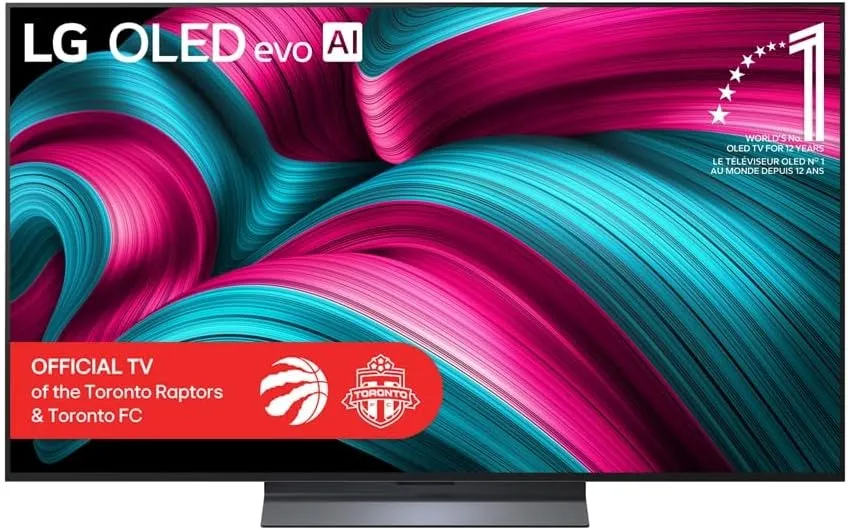
LG OLED supports Dolby Vision on C-series and G-series generations. The LG C5 and G5 both do. Older C1, C2, C3, C4 also support it.
Sony’s OLED and LED lines support Dolby Vision across the board. Sony A95L, Bravia 7, Bravia 9, Bravia XR all pass it through.
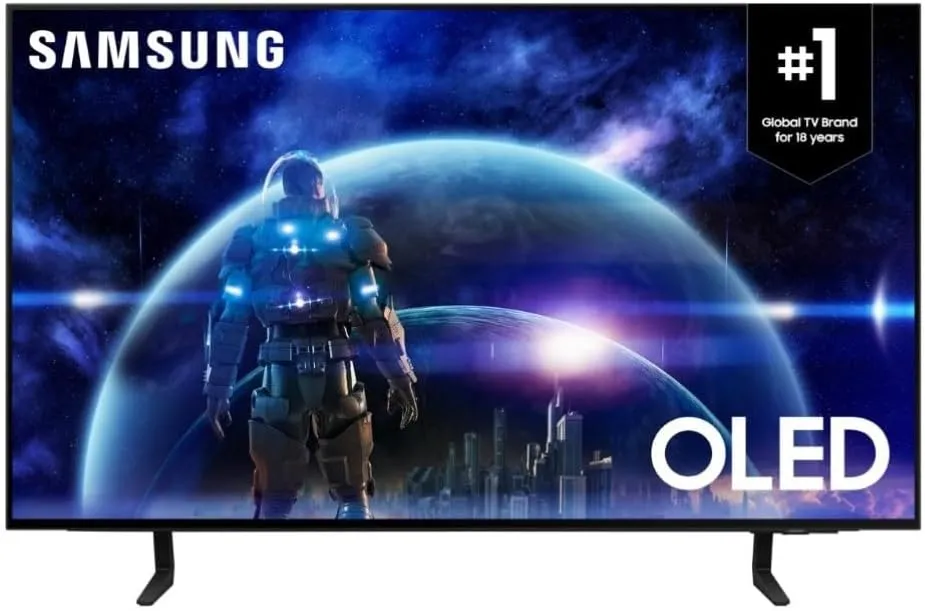
Samsung does not support Dolby Vision on any TV. Samsung uses HDR10+. If you own a Samsung OLED or QD-OLED (S95D, S95F, S90D), your Dolby Vision discs fall back to HDR10 on playback. This is the single biggest HDR format caveat for collectors choosing a new TV.
Hisense supports both Dolby Vision and HDR10+ on most recent models, which makes it the only mainstream brand that covers every format a disc can carry.
What to buy now
If you care about Dolby Vision, the safe combo is a Panasonic UB820 player plus an LG or Sony OLED. Every disc that ships with Dolby Vision plays back correctly, and HDR10 discs still look right because both TVs handle static HDR well.
If you already have a Samsung TV, get the Panasonic UB820 anyway. It handles HDR10+ mapping well on Samsung displays and still outputs HDR10 cleanly to any panel. Your Dolby Vision discs will fall back to HDR10, which is fine, and the player’s own HDR tone mapping gives Samsung owners more control than most Dolby Vision TVs allow natively.
Labels to watch
The boutique labels that have started shipping Dolby Vision on select 4K releases.
The practical takeaway
Dolby Vision is worth the hardware alignment if you’re buying a lot of Warner, Universal, Disney, Lionsgate, or Criterion 4Ks. Most of those discs ship with it and most current-generation TVs that cost over a thousand dollars support it.
HDR10+ is worth caring about only if you’ve already committed to a Samsung or Panasonic display ecosystem.
HDR10 is always enough. The studios wouldn’t still be shipping HDR10-only discs if it didn’t look good. A well-mastered HDR10 disc on a capable TV still beats a Dolby Vision disc on a mediocre one.